Rwanda introduces the National Strategic Action Plan for Spatial Development Framework (SDF-NSAP)
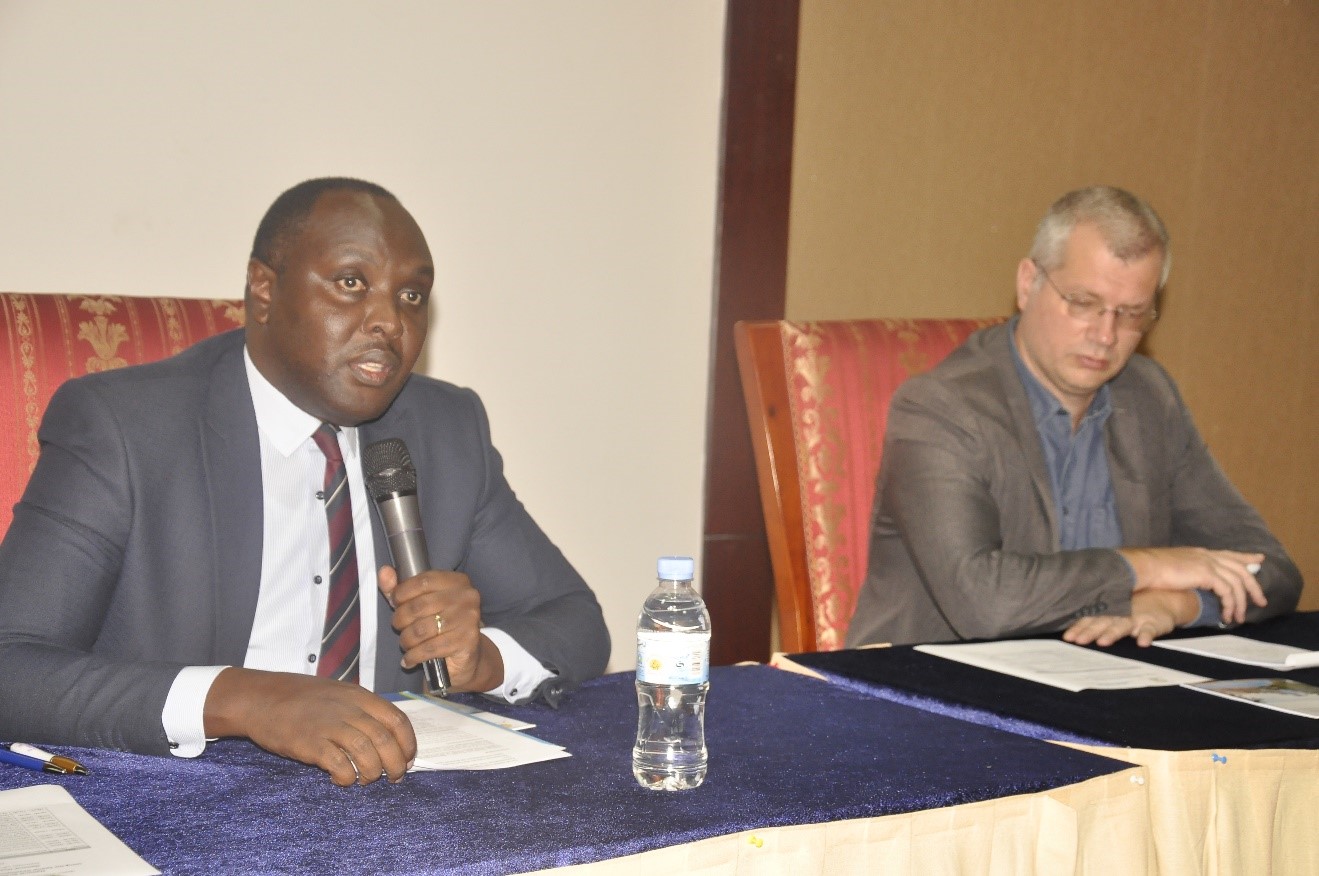
Kigali, 12th September 2019- Ministry of Infrastructure (MININFRA) and its stakeholders in Urbanization Sector gathered in National Dissemination Workshop on National Strategic Action Plan for Rwanda Spatial Development Framework (SDF) organized by MININFRA in collaboration with UN-HABITAT.
In his opening remarks, Mr. Charles KALINDA, Head of Policy and Planning in the Ministry of Infrastructure highlighted the role of Spatial Development Framework (SDF). He said “SDF is a planning tool that will help Rwanda to make spatially-sound investment decisions, facilitate the harmonization between planning and budgeting from a spatial perspective and at the different level, monitor the performance of urban settlements based on approved policies and reinforce a system of cities/towns that can sustain territorial development”.
He added that in MININFRA’s perspective, the SDF is meant to facilitate the implementation of the National Urbanization Policy (NUP) by strategically looking at the system of cities and towns, development corridors and priority development areas to understand where to invest first and why.
Rwanda being a land-locked country with a high population density (approximately 430 persons/km2), Urbanisation in Rwanda, despite currently concerning 18.4% of the Rwandan population, is occurring at a very fast pace (4 to 5% per year, which by far exceeds the worldwide average of 2%). This important socio-economic and territorial transition offers the country an important opportunity to achieve its structural transformation, in line with the first National Strategy for Transformation (2018-2024).
This foundational step needs to be followed by subsequent legislative, institutional and planning reforms. On the latter aspect (planning), MININFRA requested UN-Habitat to prepare a Spatial Development Framework (SDF) which was recommended by National Urbanisation Policy adopted in 2015 and the SDF was issued in May 2016 and validated by the same Ministry in 2017.
The SDF results have indicated that, despite Kigali being centrally located and having established six secondary cities, Rwanda spatial development is not yet well-balanced and, consequently, urbanisation is occurring mostly in a spontaneous manner. In particular, the SDF confirms that all Districts play a role in forming a system of urban settlements and, thus, influence the overall urbanisation process.
Cities work as magnets, including for the rural surrounding areas, and as centres of innovation and services delivery. Their development and inter-linkages trigger important investments and population movements, hence there is a need to plan for these territorial dynamics strategically, by taking into account existing resources, local conditions and potentialities.
The workshop focused on a hard look at the findings of the National Strategic Action Plan preparation based on the data collected from all sectors in each District with the assistance of the District Technical Focal Persons. Participants got opportunity to discuss appropriate strategies on how to integrate the SDF-NSAP into the economic planning, budgeting and monitoring system of Rwanda.
Mininfra and stakeholders committed to work in synergy for successful use of SDF and better implementation of National Urbanisation Policy above mentioned. The Ministry has equipped the decision-room with IT facilities that will be utilised by stakeholders to facilitate the spatial planning process.
Topics
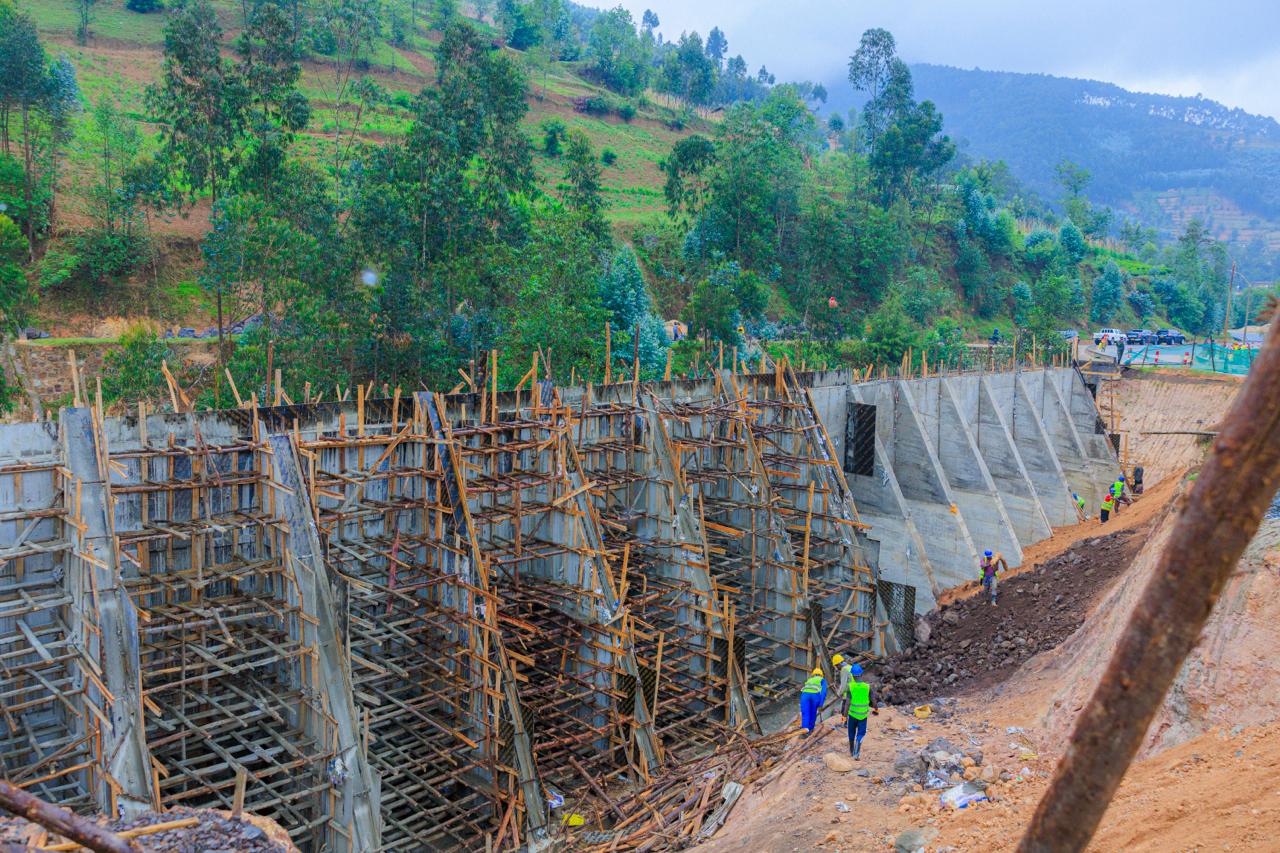
Government Strengthens Efforts to Build Resilient Infrastructure Along Mukamira–Ngororero–Muhanga Road
Nyabihu, 6 September 2026, The Government of Rwanda is strengthening efforts to ensure that critical infrastructure remains resilient to…
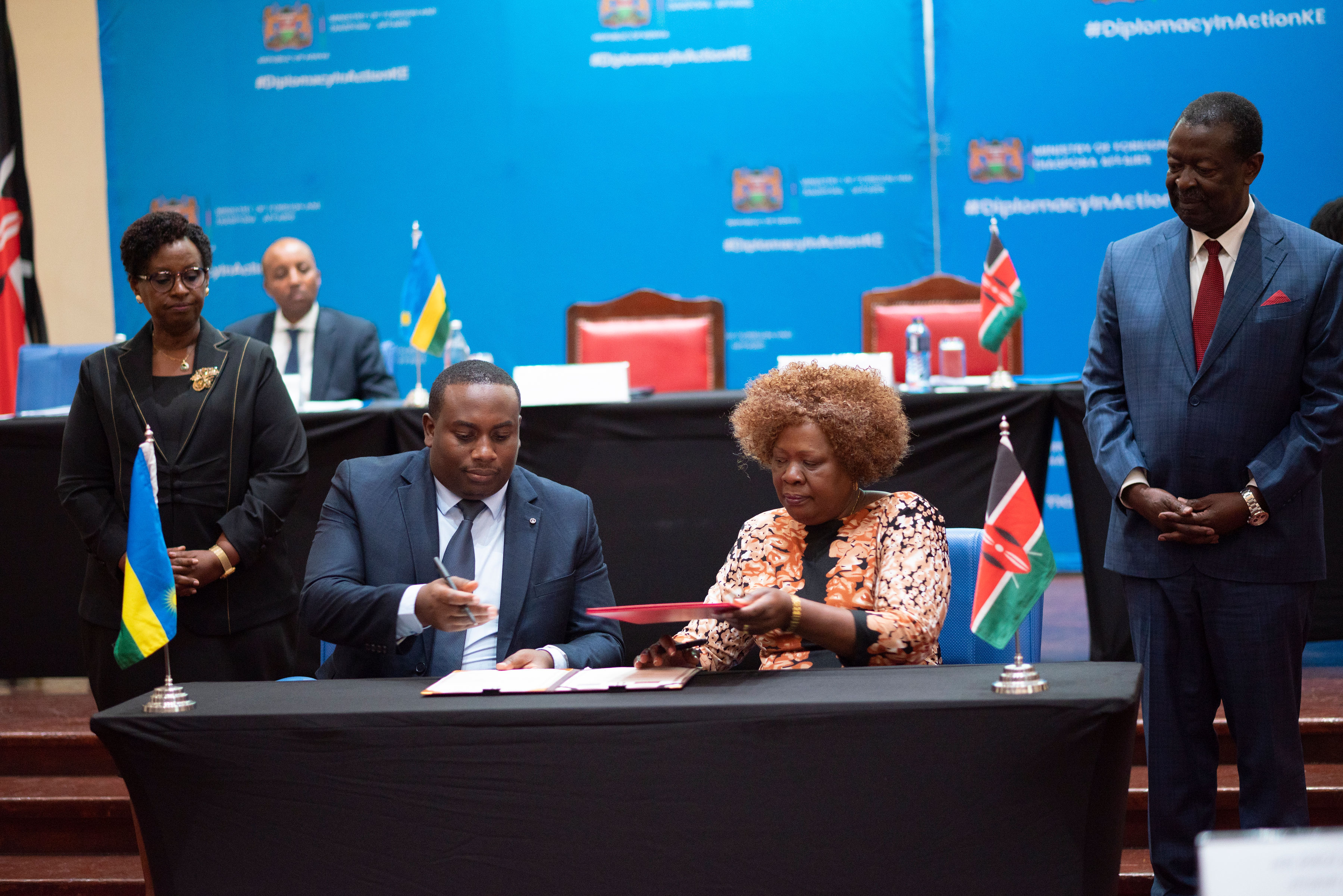
Rwanda and Kenya Strengthen Cooperation in Housing and Urban Development
Nairobi, Kenya – 6 October 2026 - Rwanda and Kenya have strengthened bilateral cooperation in housing and urban development through the signing of a…
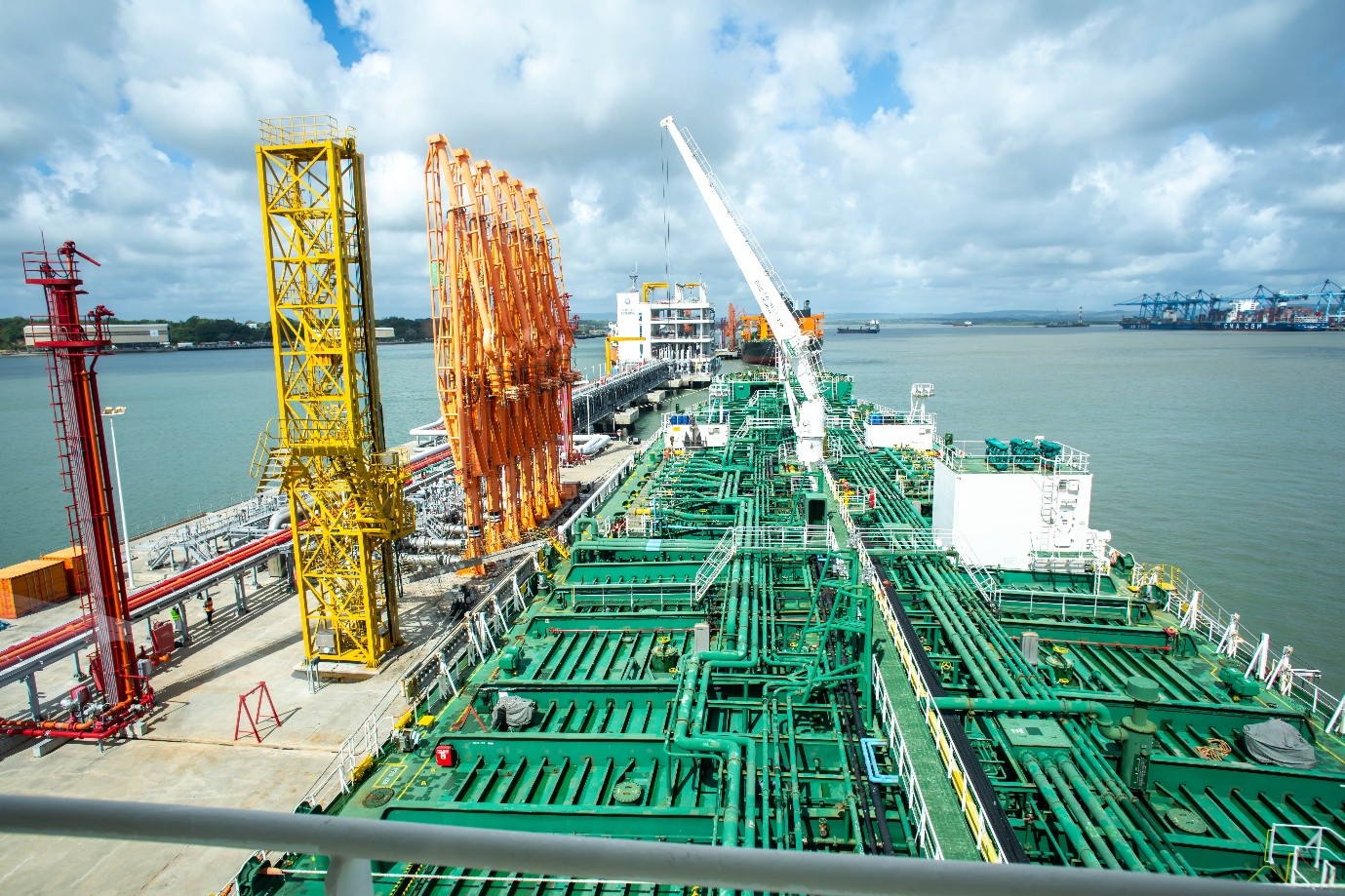
Rwanda Receives Maiden 40,000-Tonne Petroleum Cargo Through Kenya’s Northern Corridor
Mombasa, Kenya – 29 September 2026: Rwanda and Kenya marked a significant milestone in their energy cooperation with the arrival of the MT Sea Wolf,…
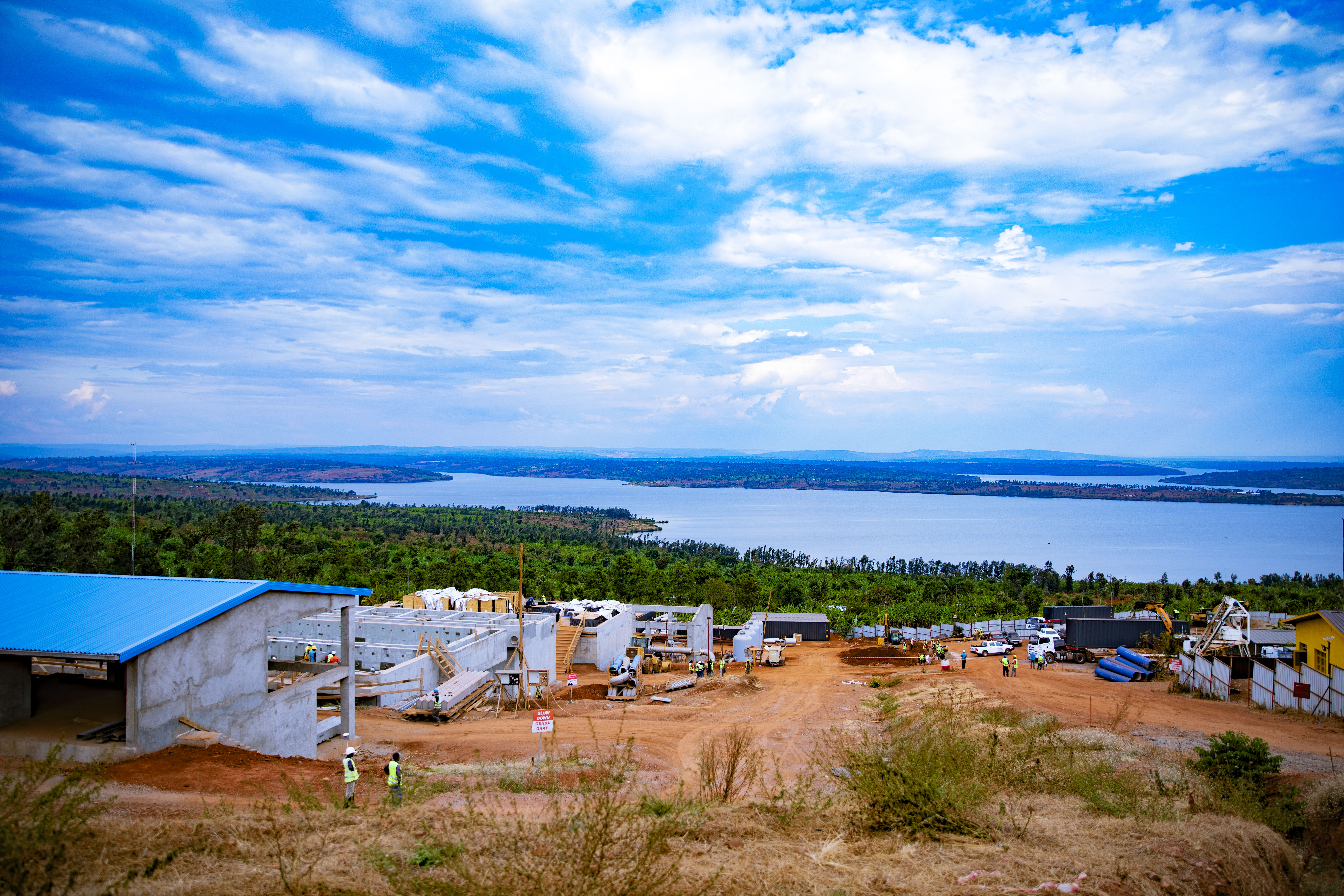
Karenge Water Treatment Plant Project Set to Strengthen Water Supply in Kigali and Rwamagana
Rwamagana, 23 September 2026, the ongoing construction and rehabilitation of the Karenge Water Treatment Plant (WTP) in Karenge Sector, Rwamagana…

Minister of State Zingiro Urges Stronger Partnerships to Turn Africa’s Energy Potential into Sustainable Growth
KIGALI, RWANDA, Minister of State in the Ministry of Infrastructure, Armand Zingiro, has called for stronger investment, innovation, partnerships and…

Rwanda Launches Expansion and Upgrading of Prince House–Giporoso–Masaka Road
KIGALI, RWANDA, The Government of Rwanda has officially commenced the construction works for the expansion and upgrading of the Prince…

Minister Murwanashyaka Inspects Strategic Infrastructure Projects to Advance Rwanda’s Sustainable Development
Kigali, Rwanda 11 August 2026: Minister of Infrastructure Damien Murwanashyaka carried out a working visit to assess the implementation and progress…

MININFRA Strengthens District Capacity to Advance Nature-Based Solutions and Climate-Resilient Development
Musanze, 11th August 2026, The Ministry of Infrastructure, in partnership with development partners in the urbanisation sector, convened a three-day…

Rwanda Calls for Stronger Leadership and Investment to Accelerate Africa’s Water and Sanitation Transformation
Rwanda has called for stronger political leadership, innovative financing and institutional reforms to accelerate the transformation of water and…