Rwanda is building climate resilient transport systems

Kigali, 29th November,2021- Over the last decade, Rwanda has invested in building efficient and resilient transport systems. Guided by the country’s Green Growth and Climate Resilience Strategy (GGCRS), the Government of Rwanda has carried out numerous initiatives to promote sustainable mobility and the green economy at large. Currently, road transport accounts for 13% of total greenhouse gas emissions in Rwanda and this is expected to continue to rise. That is why developing efficient and resilient transport systems is one of 14 programmes of action under the GGCRS. This specific programme of action has four key components that include: (i)improving the efficiency of the internal combustion engine (ICE) vehicles measured by reduction in emissions per kilometre (ii)awareness of new technology (iii) investments in infrastructure (iv) developing efficient operational systems measured by reduction in emissions per km. Rwanda is developing a national sustainable mobility policy to facilitate the transition to e-mobility as the country continues strives for low carbon economic growth.
The policy will strengthen collaboration between the private sector and the Government of Rwanda, attract investment in electric mobility solutions, foster new transport innovations and enhance the usage of non-motorised transport as a part of a wider transit oriented development policy. Because of a conducive business environment, Rwanda has seen an increase in major e-mobility solutions which has significantly invested in electric cars and motorbikes. More investments that support the transition to clean and green mobility are encouraged.
The estimated cost of transitioning to e-mobility and the adoption of electric vehicles in Rwanda is US $900 million. However, transitioning to electric motorcycles alone would save the Rwandan economy Rwf 23 billion (US $22 million) in fuel imports every year. Numerous fiscal and non-fiscal incentives to fast-track the electric mobility transition has been put in place and attract additional investments in the growing industry. These incentives include; low charging costs, tax breaks, provision of land as well as promoting local production. These incentives will make it easier for Rwandans to be part of the country’s efforts to reduce air pollution and greenhouse gas emissions.
Topics
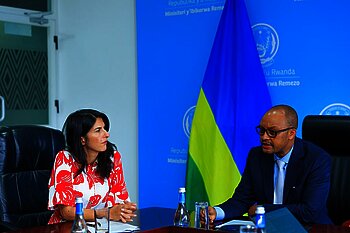
Rwanda and Germany Explore Stronger Cooperation in Transport Development and Electric Mobility
Kigali, Rwanda, 21 October 2026 – Rwanda and Germany are exploring opportunities to strengthen bilateral cooperation in transport development and…
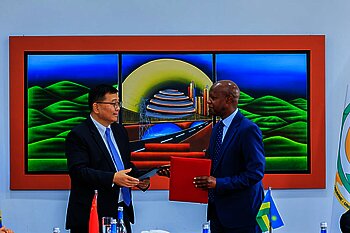
Rwanda and China Strengthen Aviation Cooperation Through Airworthiness Certification Agreement
Kigali, 12 October 2026, Rwanda and the People’s Republic of China have strengthened their aviation cooperation following the signing of a Memorandum…
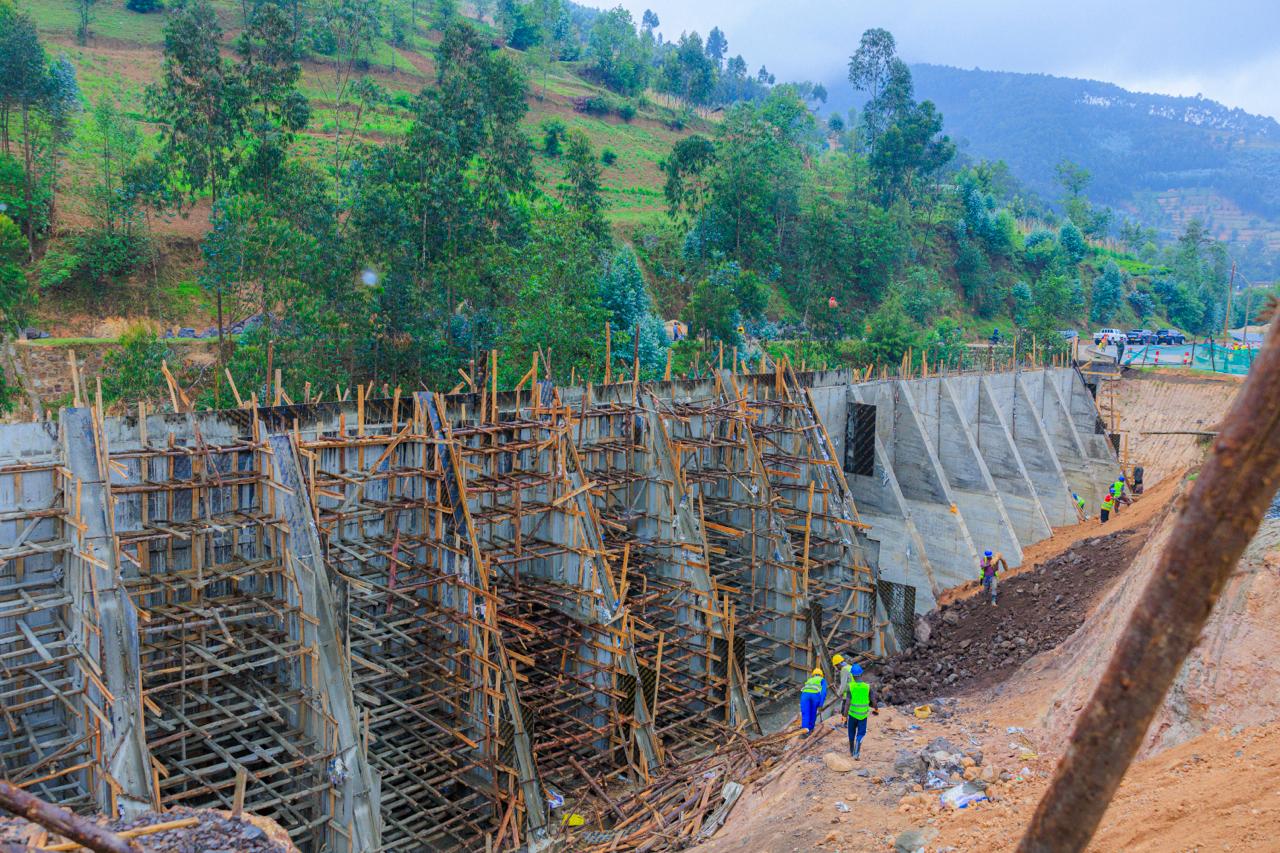
Government Strengthens Efforts to Build Resilient Infrastructure Along Mukamira–Ngororero–Muhanga Road
Nyabihu, 6 September 2026, The Government of Rwanda is strengthening efforts to ensure that critical infrastructure remains resilient to…
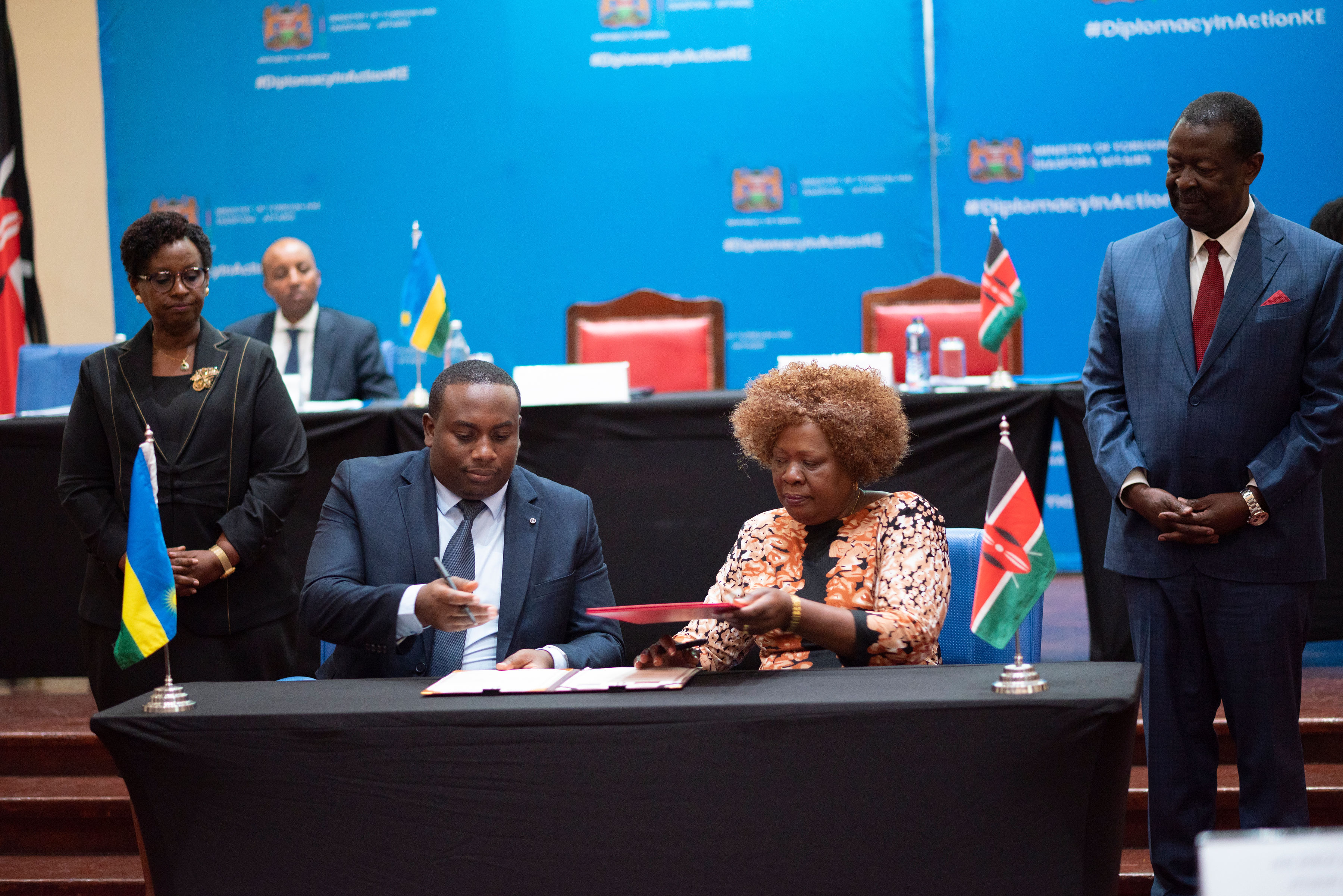
Rwanda and Kenya Strengthen Cooperation in Housing and Urban Development
Nairobi, Kenya – 6 October 2026 - Rwanda and Kenya have strengthened bilateral cooperation in housing and urban development through the signing of a…
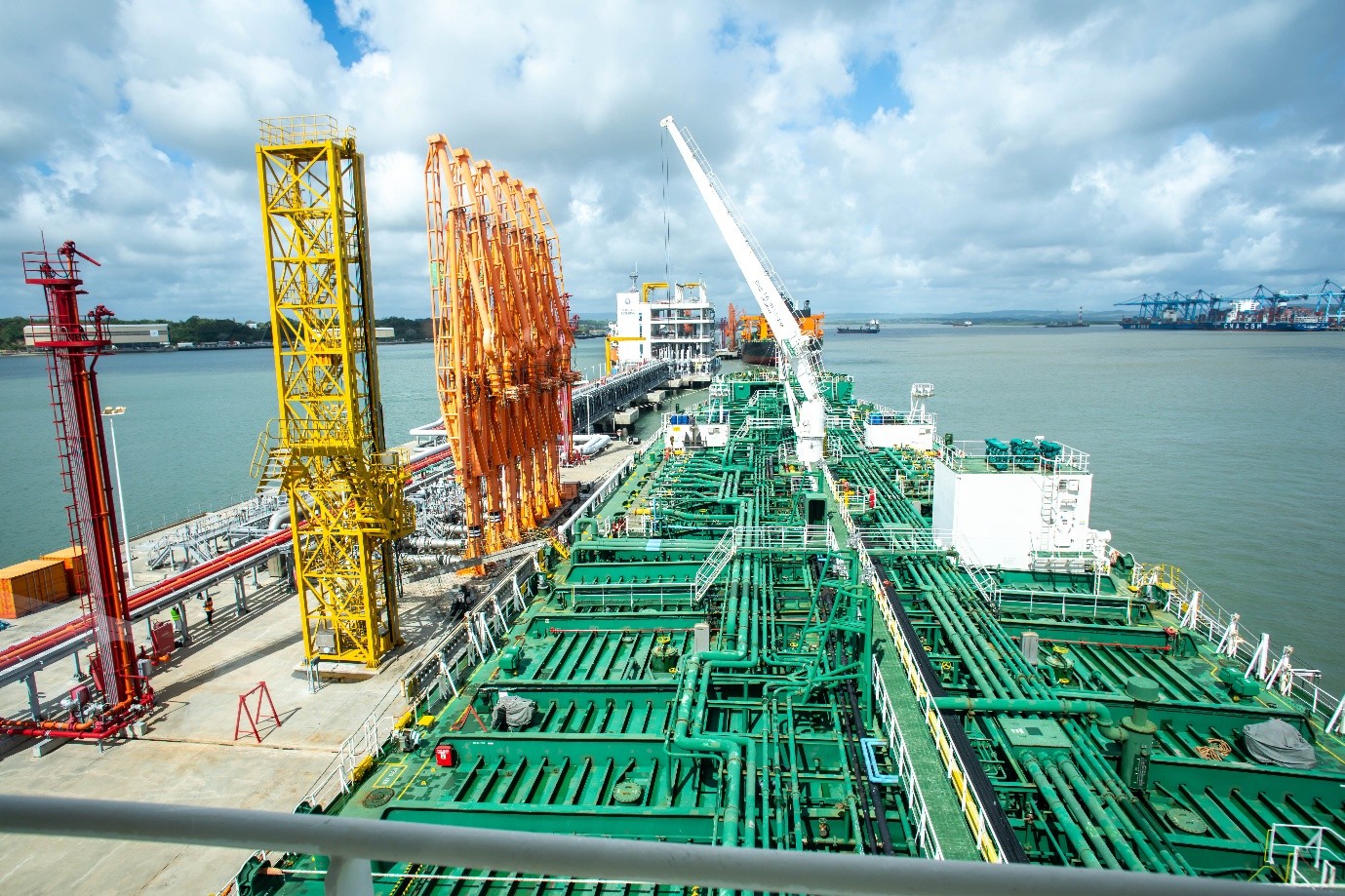
Rwanda Receives Maiden 40,000-Tonne Petroleum Cargo Through Kenya’s Northern Corridor
Mombasa, Kenya – 29 September 2026: Rwanda and Kenya marked a significant milestone in their energy cooperation with the arrival of the MT Sea Wolf,…
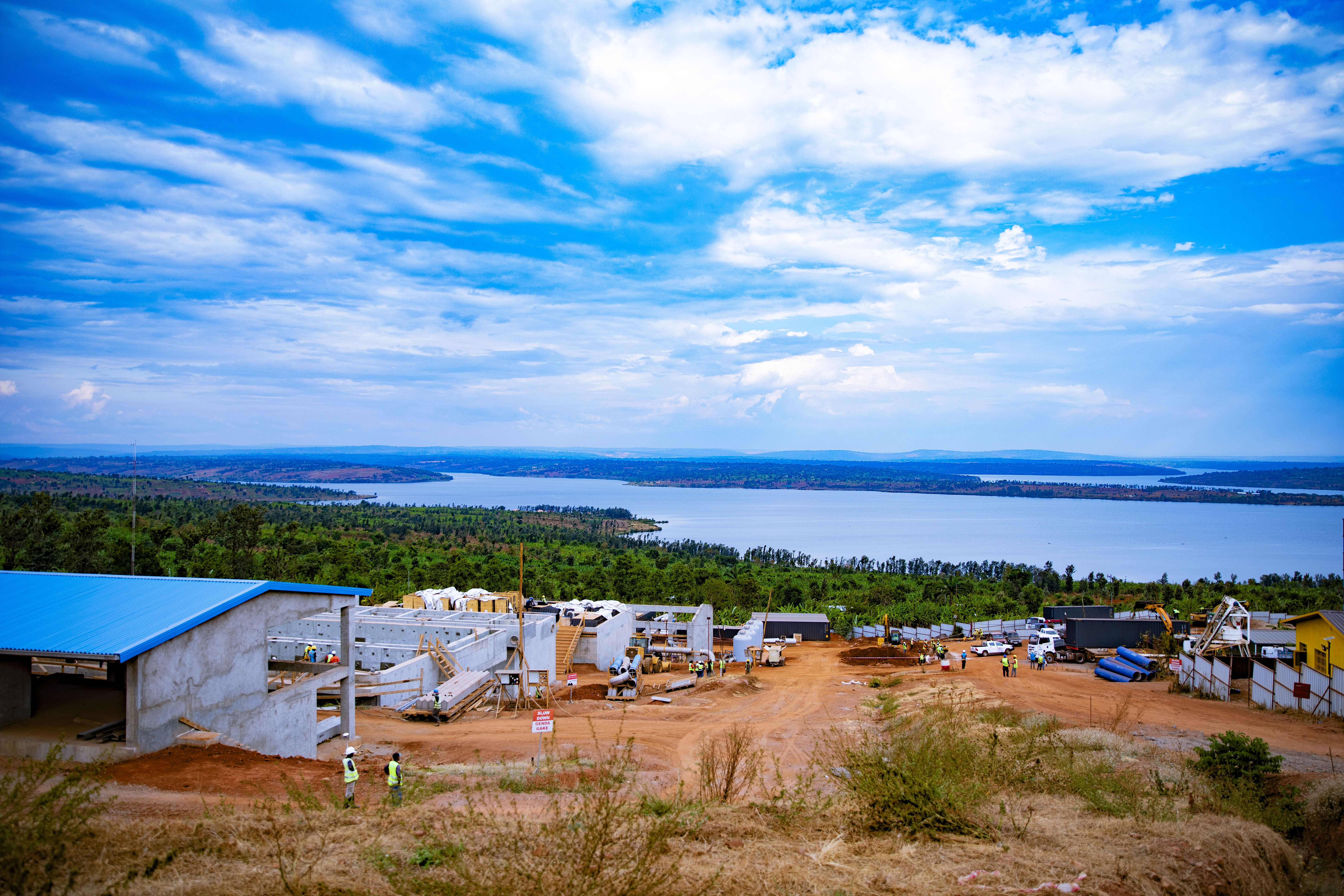
Karenge Water Treatment Plant Project Set to Strengthen Water Supply in Kigali and Rwamagana
Rwamagana, 23 September 2026, the ongoing construction and rehabilitation of the Karenge Water Treatment Plant (WTP) in Karenge Sector, Rwamagana…

Minister of State Zingiro Urges Stronger Partnerships to Turn Africa’s Energy Potential into Sustainable Growth
KIGALI, RWANDA, Minister of State in the Ministry of Infrastructure, Armand Zingiro, has called for stronger investment, innovation, partnerships and…

Rwanda Launches Expansion and Upgrading of Prince House–Giporoso–Masaka Road
KIGALI, RWANDA, The Government of Rwanda has officially commenced the construction works for the expansion and upgrading of the Prince…

Minister Murwanashyaka Inspects Strategic Infrastructure Projects to Advance Rwanda’s Sustainable Development
Kigali, Rwanda 11 August 2026: Minister of Infrastructure Damien Murwanashyaka carried out a working visit to assess the implementation and progress…