AMCOW urges for safely managed sanitation
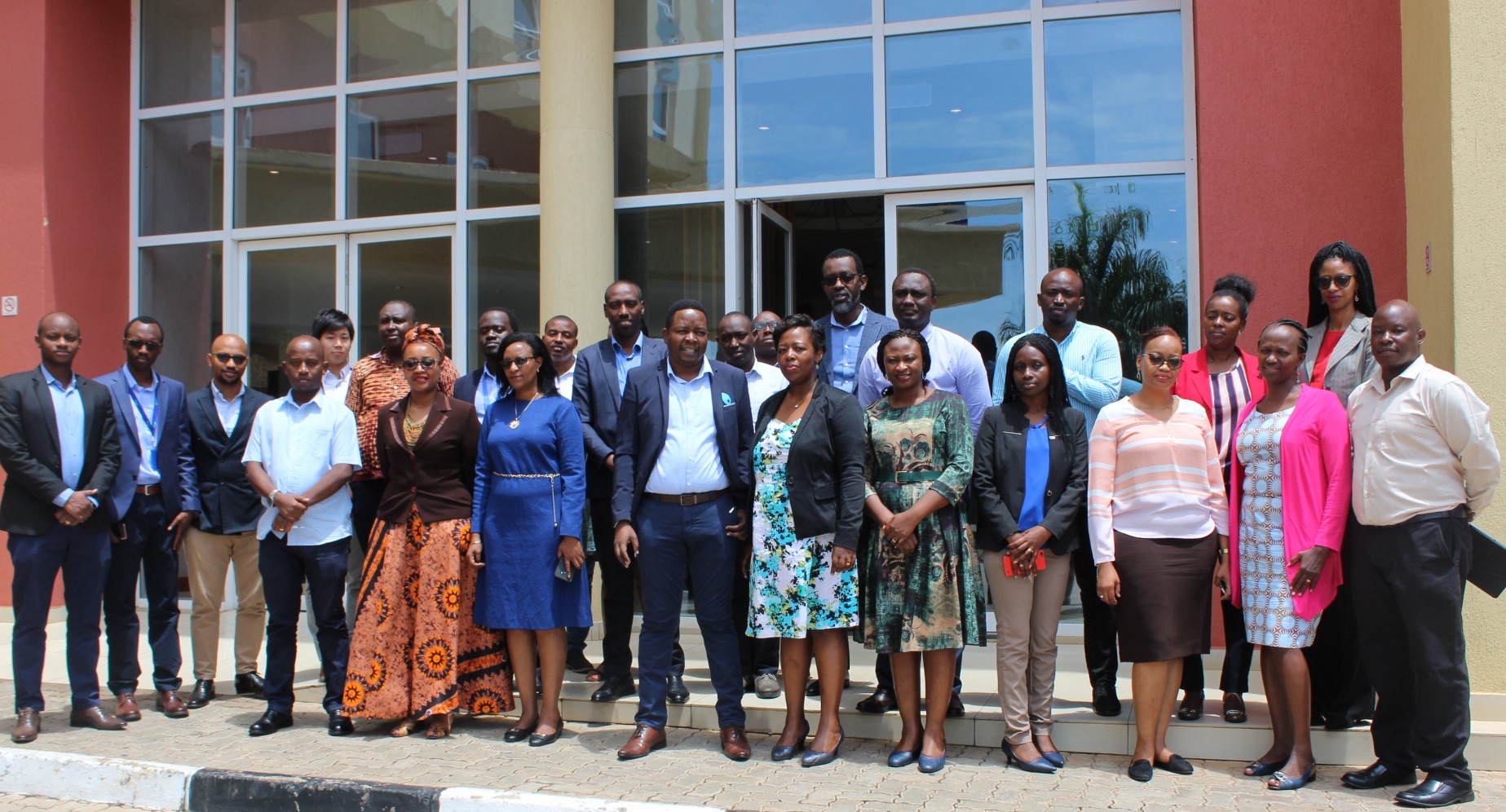
Kigali, 10th March 2020: African Ministers’ Council on Water (AMCOW) is developing Africa Sanitation Policy Guidelines (ASPG) with the focus to demonstrate processes and content of what an ideal sanitation policy should incorporate and will set best practices for the future leading to stronger comprehensive sanitation policies that will facilitate accelerated progress towards achieving the country targets, the Government commitments and ultimately, the SDG6.2 and other associated goals.
Different Stakeholders and partners gathered in a consultative meeting organized by the Ministry of Infrastructure in partnership with AMCOW to better understand the rationale behind developing ASPG and contribute to its content.
In her opening remarks, Eng. KAYITESI Marcelline, Division Manager for Water and Sanitation in the Ministry of Infrastructure, expressed her gratitude to the AMCOW team for having developed aforementioned Africa Sanitation Policy Guidelines to provide adequate guidance that would effectively help to address the current gaps in countries’ respective national sanitation policies.. The guideline will as well help other countries with no sanitation policy to formulate ideal inclusive sanitation policies within the continent.
Highlighting Sanitation in Rwandan Context, Eng. KAYITESI mentioned that in 2016, given the prioritization of the sector, the Government adopted the first ever National Sanitation Policy and even went further to approve the National Sanitation Implementation Strategy to ensure proper implementation of all initiatives to overcome sanitation related challenges. The Division Manager also mentioned that National Sanitation Implementation Strategy tackles key components including liquid waste management (both human excreta management and wastewater), solid waste management and urban storm water management. She therefore reiterated the commitment of Government to recognize the initiatives of the international and regional communities and to continue to cooperate in order to achieve the 2030 Sustainable Development Goals.
Given the importance of Africa Sanitation Policy Guidelines (ASPG), Dr. Canisius Kanangire,the Executive Secretary of AMCOW, defined the purpose of the consultative meeting as well as to provide participants an opportunity to highlight the importance of clear and comprehensive sanitation policies; create awareness about the ASPG, the rationale and provide an opportunity for stakeholders to contribute to the ASPG content adding that the consultation platform will also be used to discuss AMCOW support mechanisms to countries to develop clear and comprehensive sanitation policies by adapting the ASPG to their country context.
Access to sanitation continues to lag behind as, according to the World Bank updates of 2018, 72% of people in Sub-Saharan Africa still lack access to basic sanitation services. Critical attention is therefore required to strengthen the enabling environment, including increase investment, enhancing the capacity of national authorities and updating legal and policy frameworks for regulating sanitation systems.
As well in order to achieve the ambitious goal of SDG 6.2, immense effort is required by Africa countries. These include having clear and inclusive sanitation policies that will provide the foundation for large scale comprehensive sanitation programming.
Once approved, ASPG will serve as a tool to guide African countries to develop and to enhance their sanitation policies. It will strengthen existing efforts by providing foundational and progressive policy suggestions that can be actively used and adapted by individual countries to develop and/ or review their national sanitation policies.
About AMCOW
The African Ministers' Council on Water (AMCOW) was formed in 2002 in Abuja Nigeria, primarily to promote cooperation, security, social and economic development and poverty eradication among member states through the effective management of the continent’s water resources and provision of water supply services.
In 2008, at the 11th ordinary session of the Africa Union (AU) Assembly in Sharm el-Sheikh, Heads of State and Government of the AU agreed on commitments to accelerate the achievement of water and sanitation goals in Africa and mandated AMCOW to develop and follow up an implementation strategy for these commitments. AMCOW has also being accorded the status of a Specialized Committee for Water and Sanitation in the African Union.
Topics
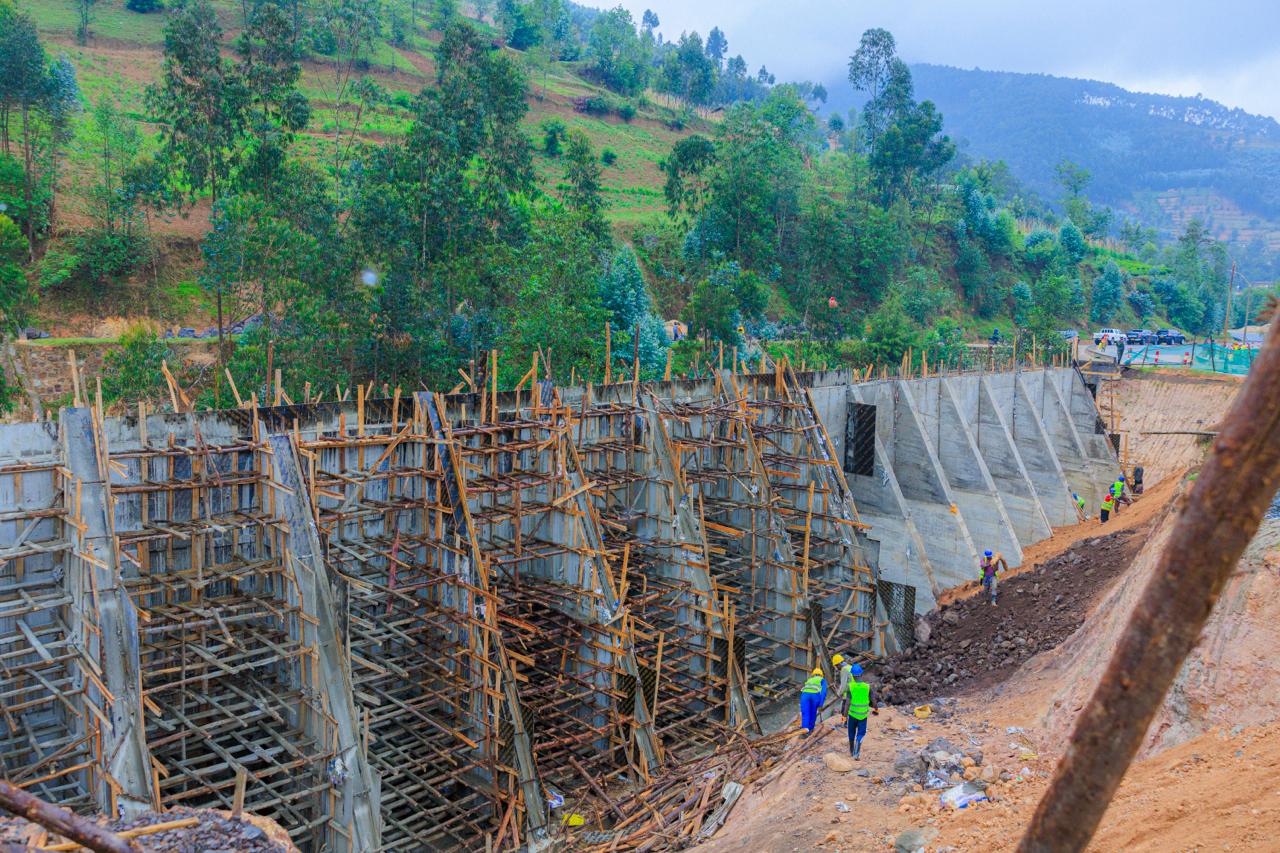
Government Strengthens Efforts to Build Resilient Infrastructure Along Mukamira–Ngororero–Muhanga Road
Nyabihu, 6 September 2026, The Government of Rwanda is strengthening efforts to ensure that critical infrastructure remains resilient to…
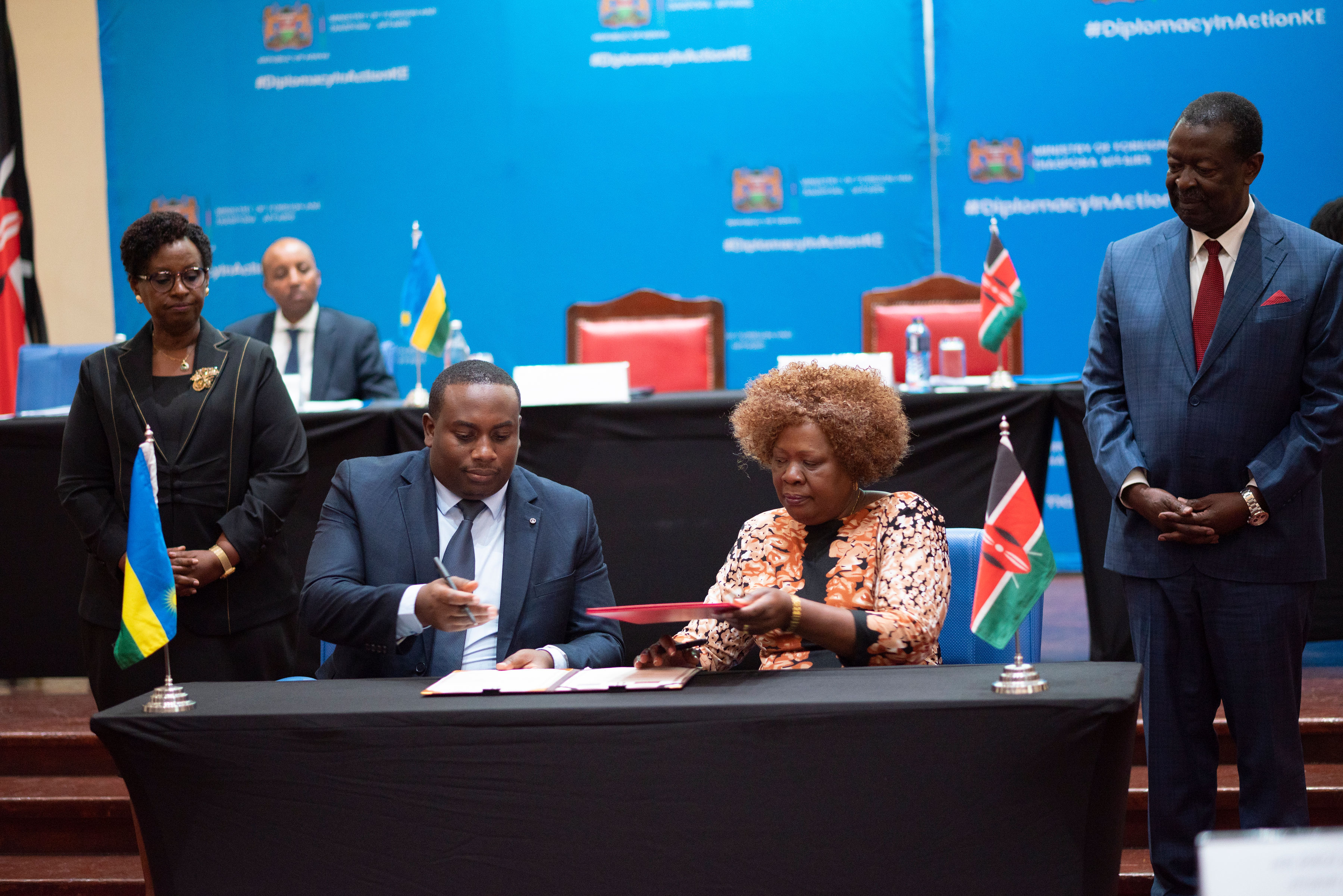
Rwanda and Kenya Strengthen Cooperation in Housing and Urban Development
Nairobi, Kenya – 6 October 2026 - Rwanda and Kenya have strengthened bilateral cooperation in housing and urban development through the signing of a…

Rwanda Receives Maiden 40,000-Tonne Petroleum Cargo Through Kenya’s Northern Corridor
Mombasa, Kenya – 29 September 2026: Rwanda and Kenya marked a significant milestone in their energy cooperation with the arrival of the MT Sea Wolf,…
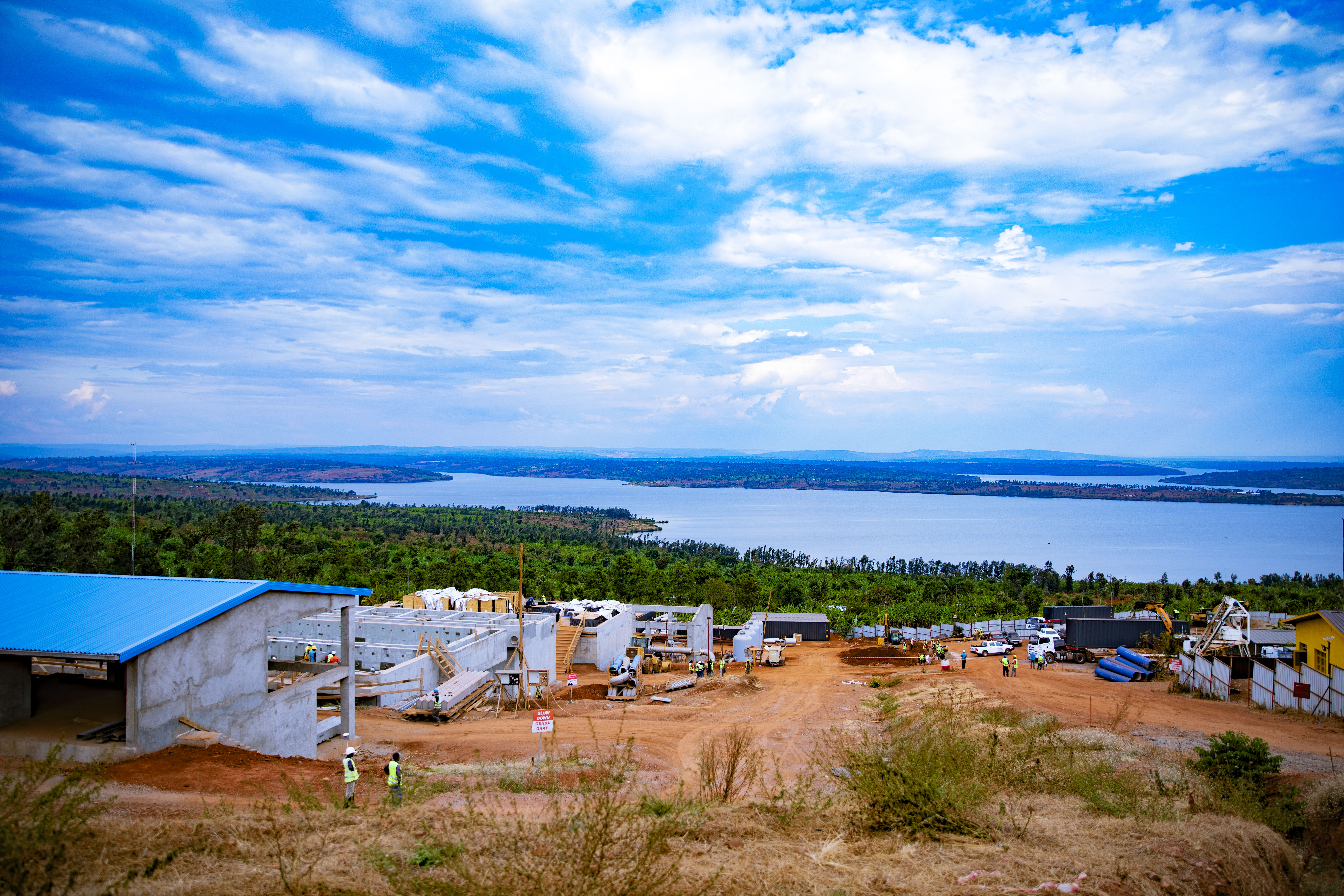
Karenge Water Treatment Plant Project Set to Strengthen Water Supply in Kigali and Rwamagana
Rwamagana, 23 September 2026, the ongoing construction and rehabilitation of the Karenge Water Treatment Plant (WTP) in Karenge Sector, Rwamagana…

Minister of State Zingiro Urges Stronger Partnerships to Turn Africa’s Energy Potential into Sustainable Growth
KIGALI, RWANDA, Minister of State in the Ministry of Infrastructure, Armand Zingiro, has called for stronger investment, innovation, partnerships and…

Rwanda Launches Expansion and Upgrading of Prince House–Giporoso–Masaka Road
KIGALI, RWANDA, The Government of Rwanda has officially commenced the construction works for the expansion and upgrading of the Prince…

Minister Murwanashyaka Inspects Strategic Infrastructure Projects to Advance Rwanda’s Sustainable Development
Kigali, Rwanda 11 August 2026: Minister of Infrastructure Damien Murwanashyaka carried out a working visit to assess the implementation and progress…

MININFRA Strengthens District Capacity to Advance Nature-Based Solutions and Climate-Resilient Development
Musanze, 11th August 2026, The Ministry of Infrastructure, in partnership with development partners in the urbanisation sector, convened a three-day…

Rwanda Calls for Stronger Leadership and Investment to Accelerate Africa’s Water and Sanitation Transformation
Rwanda has called for stronger political leadership, innovative financing and institutional reforms to accelerate the transformation of water and…